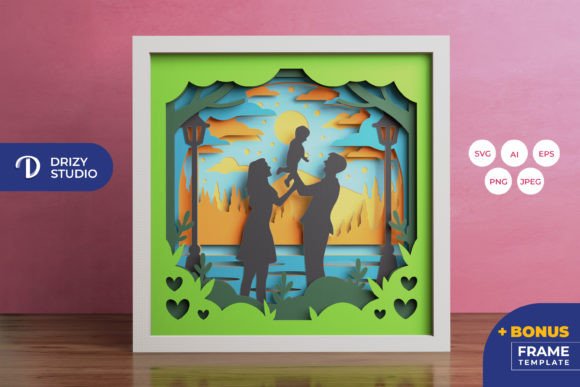
Creating a Mom Dad and Baby 3D Shadow Box SVG: A Practical Guide for Crafters
The intersection of digital design and physical craftsmanship has opened new avenues for personalized home decor and gift-giving. Among the most popular projects in this space is the Mom Dad and Baby 3D Shadow Box SVG. This layered paper-cutting template allows creators to produce intricate, depth-rich artwork that captures the essence of family bonds. For hobbyists, small business owners, and DIY enthusiasts, understanding how to integrate this asset into a broader creative workflow is essential for achieving professional results.
This article explores the practical implementation of the Family 3D Shadow Box template. We will discuss file compatibility, preparation strategies, assembly techniques, and ways to enhance the final product through lighting and framing. By treating this project as a structured process rather than a simple craft, you can ensure consistency, quality, and efficiency in your output.
Understanding the Asset and Its Formats
The core of this project is a digital file package designed for precision cutting. The Mom Dad and Baby 3D Shadow Box SVG is not just a single image; it is a multi-layered template specifically engineered to create depth when assembled. When you acquire this template, you receive a comprehensive set of files tailored for various software and hardware ecosystems:
- AI (714 x 714 px): Ideal for users working within Adobe Illustrator who need to edit vector paths or adjust specific design elements before cutting.
- EPS (714 x 714 px): A universal vector format compatible with most professional design software, ensuring scalability without loss of quality.
- SVG (714 x 714 px): The primary format for cutting machines like Silhouette Cameo, Cricut Explore, and other desktop cutters. This format retains layer information crucial for shadow box construction.
- PNG (714 x 714 px): Useful for digital previews or sublimation projects, though not suitable for vector cutting.
- JPEG (3000 x 2000 px): High-resolution raster images intended for product previews or reference materials.
Understanding these formats is the first step in efficient workflow planning. If you are using a Cricut or Silhouette machine, the SVG file is your primary asset. It contains the five distinct layers required to build the 3D effect. Maintaining the aspect ratio during resizing is critical; altering dimensions disproportionately can misalign the layers, ruining the visual depth of the final piece.
Preparation and Material Selection
Successful execution of a Family 3D Shadow Box begins long before the cutting blade touches the paper. Preparation involves selecting the right materials and organizing your workspace to handle multiple delicate layers.
Choosing the Right Paper
The visual impact of a shadow box relies heavily on contrast and texture. While the template provides the structure, the paper choice defines the aesthetic. Cardstock between 160gsm and 200gsm is generally recommended. Thinner paper may warp or fail to hold its shape, while heavier stock can be difficult to cut cleanly on consumer-grade machines. Consider using varied shades of white, cream, or pastel tones to differentiate layers subtly, or use bold colors for a modern look.
Tool Compatibility and Setup
For those with access to electronic cutting machines, the SVG file streamlines the production process. Import the SVG into your design software (such as Cricut Design Space or Silhouette Studio). Verify that all five layers are recognized and separated correctly. Set your machine to the appropriate material setting—usually "Cardstock" or "Heavy Cardstock"—and perform a test cut on a scrap piece to ensure clean edges.
If you do not have a cutting machine, the template remains usable. The PNG or JPEG files can serve as printed guides for manual cutting using art knives and scissors. This method requires more time and precision but offers a tactile connection to the craft. Ensure you have a sharp blade and a self-healing cutting mat to protect your work surface and achieve clean lines.
Assembly Workflow: Building Depth
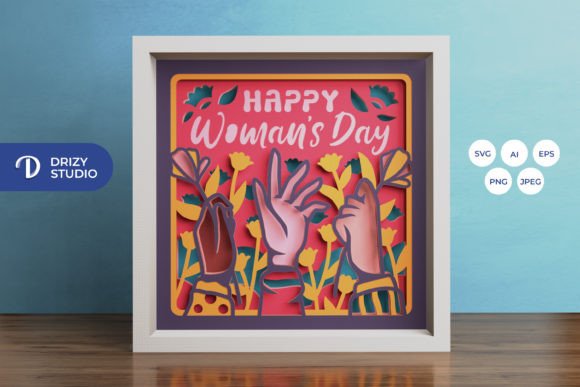
Assembly is where the Mom Dad and Baby 3D Shadow Box SVG transforms from flat sheets into a dimensional artwork. The process involves stacking five distinct layers, each spaced apart to create shadows and depth.
- Organize Layers: Lay out all cut pieces in numerical order. Most templates label layers clearly. Identify the background layer and the foreground elements.
- Apply Adhesive: Use double-sided foam tape or small dots of strong craft glue. Foam tape is preferred as it provides consistent spacing between layers, enhancing the 3D effect. Apply spacers to the back of each layer, focusing on corners and key structural points.
- Stack Precisely: Begin with the background layer. Align the second layer carefully, ensuring edges match perfectly. Press down gently to secure the adhesive. Continue this process for all five layers.
- Quality Control: After stacking, inspect the alignment from different angles. Misalignment at this stage is difficult to correct once the glue sets. Use tweezers for adjusting small details.
This systematic approach minimizes errors and ensures a polished final product. Consistency in spacing is key; uneven gaps can disrupt the visual flow and reduce the professional appearance of the shadow box.
Enhancing the Project: Lighting and Framing
Once assembled, the Family Shadow Box can be displayed in various ways. Two popular options are framed wall decoration and illuminated lightboxes.
Framed Wall Decoration
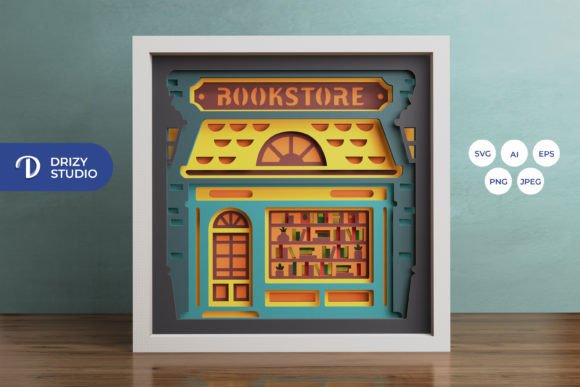
For a classic look, place the assembled layers into a deep-frame shadow box frame. These frames are designed to accommodate the thickness of layered paper. Choose a frame color that complements the paper tones. Black frames offer high contrast, making the white paper layers pop, while wooden frames add warmth and a traditional feel.
Creating a Lightbox Effect
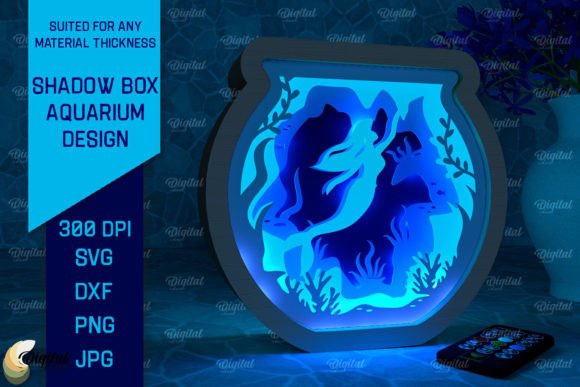
To elevate the project, consider adding LED strip lights between the layers. This technique highlights the intricate cuts and creates a glowing effect that is particularly striking in low-light environments. When implementing LEDs:
- Use battery-operated LED strips with a thin profile to avoid bulging.
- Place the lights behind the background layer or between specific mid-layers to highlight key details like the baby’s silhouette or parental figures.
- Ensure wires are concealed within the frame or behind the backing board for a clean finish.
This modification turns a static piece of art into a dynamic decorative element, suitable for nurseries, living rooms, or as a nightlight.
Practical Applications and Gift-Giving
The Mom Dad and Baby 3D Shadow Box SVG is versatile in its application. For small business owners, it represents a scalable product line. By mastering the assembly process, you can produce consistent units for sale on platforms like Etsy or at local craft fairs. The ability to customize paper colors allows for personalization, a key driver in consumer purchasing decisions.
For individual creators, this project serves as a meaningful gift. It captures a specific moment in family life, making it ideal for baby showers, first birthdays, or Mother’s and Father’s Day. The effort involved in assembling the layers adds sentimental value, distinguishing it from mass-produced items.
Moreover, the skills developed through this project—precision cutting, layer management, and spatial assembly—are transferable to other paper crafts. Once comfortable with this template, creators can explore more complex designs or even create custom SVGs based on personal photographs.
Troubleshooting and Best Practices
Even with high-quality templates, challenges can arise. Here are common issues and solutions:
- Paper Tearing: If paper tears during cutting, check your blade sharpness. Dull blades drag rather than cut. Replace blades regularly.
- Layer Misalignment: Use registration marks or corner guides when stacking. Dry-fit the layers before applying adhesive to verify alignment.
- Color Variation: Note that screen colors may differ from physical paper. Always test with actual paper stocks to ensure the desired contrast and mood.
- Adhesive Visibility: Use minimal glue or transparent double-sided tape to prevent visible residue. Excess adhesive can warp paper over time.
By anticipating these issues, you can streamline your workflow and reduce waste. Efficient resource management is crucial for both hobbyists and professionals aiming for sustainability and cost-effectiveness.
Conclusion
The Mom Dad and Baby 3D Shadow Box SVG is more than a digital file; it is a gateway to creating tangible, emotional artifacts. Whether you are a seasoned crafter or a beginner, integrating this template into your creative process offers rewarding outcomes. By focusing on preparation, precise assembly, and thoughtful presentation, you can produce high-quality shadow boxes that resonate with viewers. Embrace the workflow, experiment with materials, and let the layered design bring your family stories to life.