Elevating Design Presentations with the Floating T-shirt 3D Mockup
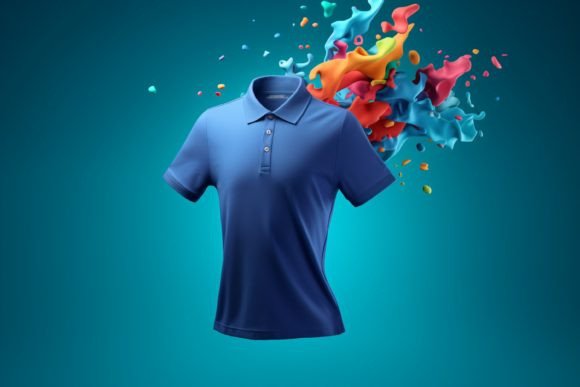
In the competitive landscape of apparel design and digital marketing, the visual presentation of a product is often just as critical as the product itself. Designers, print-on-demand entrepreneurs, and creative agencies constantly seek ways to showcase their artwork in a manner that feels tangible, professional, and engaging. This is where the Floating T-shirt 3D Mockup has emerged as a vital resource. Unlike traditional flat-lay photography or rigid mannequin displays, this specific style of mockup offers a dynamic, gravity-defying aesthetic that captures attention while providing a clean canvas for design integration.
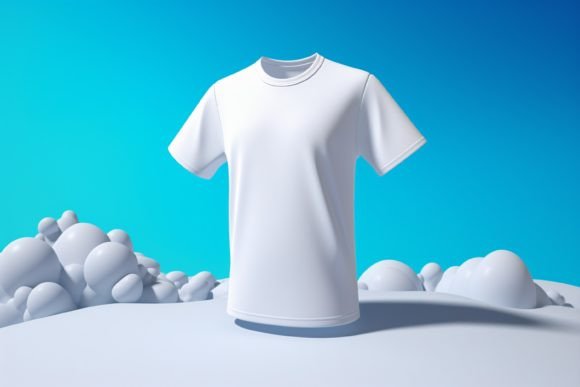
Understanding how to effectively utilize a T-shirt Mockup Picture can significantly streamline your workflow. You can use this t-shirt picture as a mockup to display your artwork, print design, photos, T-shirt design presentations, t-shirt mockup designs, and many more creative uses. By leveraging high-resolution assets, you can show your clients how beautifully your artworks look in the real world without the logistical hurdles of physical photoshoots.
Defining the Floating Aesthetic and Its Distinct Advantages
The term "floating" refers to the visual technique where the garment appears suspended in mid-air. This approach removes the distractions of background clutter, human models, or stiff hangers, allowing the viewer’s eye to focus entirely on the fabric’s drape and the printed design. The Floating T-shirt 3D Mockup is distinct because it combines the realism of 3D rendering with the simplicity of a 2D image file.
One of the primary benefits of this format is its versatility. Because the shirt is not constrained by a body shape, it avoids the complexities of fitting designs around curves, armpits, or torsos that vary from model to model. This makes it an ideal neutral ground for presenting graphic designs, typography, and illustrations. The shadows and folds created in the 3D render provide necessary depth, ensuring the final image does not look like a flat sticker slapped onto a white background, but rather like ink absorbed into textured fabric.
Technical Specifications and File Integrity
For any mockup to be effective in a professional setting, technical quality is non-negotiable. Low-resolution images pixelate when scaled, ruining the perceived value of the design. The standard for high-quality presentation involves specific file details that ensure crisp output across various media, from web banners to printed lookbooks.
When evaluating a T-shirt Mockup Picture, consider the following specifications typically found in premium assets:
- File Format: JPG File High Resolution. While PSD files offer layer flexibility, high-res JPGs are universally compatible and easier to manage for quick iterations.
- Dimensions: 3000×2000 px. This aspect ratio provides ample space for wide-format displays and ensures that details remain sharp even on retina screens.
- Resolution: 300 DPI (Dots Per Inch). This is the industry standard for print-ready materials, ensuring that if the mockup is used in a physical portfolio or catalog, the quality remains pristine.
- Color Mode: RGB Color. Optimized for digital viewing, which is where most initial client approvals and social media promotions occur.
These specifications matter because they dictate the longevity and usability of the asset. A 72 DPI image might suffice for a quick Instagram story, but it will fail miserably if a client requests a high-quality PDF presentation. Starting with a 300 DPI, 3000×2000 px base gives you the flexibility to downscale for web use without ever needing to upscale, which degrades quality.
Comparing Floating Mockups to Alternative Presentation Styles
Choosing the right visualization tool depends on the specific goals of your project. The Floating T-shirt 3D Mockup is not a one-size-fits-all solution; it occupies a specific niche between flat lays and lifestyle photography. Understanding these tradeoffs helps in making an informed decision.
Floating vs. Model-Based Mockups
Model-based mockups involve placing designs on photographs of people wearing the garments. The strength of this approach is context—it shows fit, scale, and lifestyle appeal. However, it introduces variables such as body type, skin tone, and pose, which may distract from the design itself. Additionally, model mockups often require complex masking to ensure the design wraps realistically around the body’s contours. The floating mockup eliminates these variables, offering a cleaner, more objective view of the artwork. It is best used when the design complexity is high and needs to be scrutinized without distraction.
Floating vs. Flat Lay Photography
Flat lays involve laying the shirt on a surface and photographing it from above. While simple, flat lays can appear two-dimensional and lifeless. They often suffer from uneven lighting and wrinkles that look messy rather than stylistic. The T-shirt Mockup Picture with a floating effect provides controlled, artistic draping that suggests movement and softness, adding a premium feel that flat lays often lack.
Floating vs. Pure 3D Software Rendering
Creating a custom 3D render from scratch using software like Blender or CLO3D offers ultimate control but requires significant technical skill and time. For many designers, the learning curve is prohibitive. Using a pre-rendered Floating T-shirt 3D Mockup in JPG format bridges this gap. It provides the visual fidelity of 3D rendering with the ease of use of a standard image editor, making it accessible to professionals who specialize in graphic design rather than 3D modeling.
Practical Workflow: Integrating Your Design
The utility of this resource lies in its simplicity. You do not need advanced compositing skills to achieve professional results. Simply download the file and open this JPG file in Photoshop or another app and place your awesome design on top of the picture. Here is a practical breakdown of how to maximize the potential of this workflow:
- Preparation: Ensure your artwork is high-resolution and transparent (PNG format) if possible, though JPGs with white backgrounds can be blended using mixing modes.
- Placement: Open the 3000×2000 px mockup. Drag and drop your design file onto the canvas. Resize and rotate your design to align with the chest area of the floating shirt.
- Blending: To make the design look realistic, change the blending mode of your design layer to "Multiply" or "Overlay," depending on the shirt color. This allows the shadows and highlights of the 3D render to show through the ink, creating a natural texture.
- Refinement: Use a soft eraser or layer mask to fade the edges of the design slightly if it looks too sharp against the fabric folds. This mimics the slight distortion that occurs when printing on curved surfaces.
This process allows for rapid iteration. You can test five different colorways or design variations in the time it would take to set up a single physical photoshoot. This efficiency is crucial for agencies handling multiple clients or entrepreneurs testing market response to different designs.
Decision Factors: When to Use This Resource
While the Floating T-shirt 3D Mockup is a powerful tool, it is essential to recognize when it is the right choice and when alternative methods may be superior. This evaluation ensures that your presentation strategy aligns with your business objectives.
Ideal Use Cases:
- Portfolio Presentations: When showcasing a range of graphic styles, a consistent floating mockup provides a cohesive look that highlights your versatility.
- E-commerce Listings: For online stores, especially print-on-demand, these mockups offer a clean, professional look that loads quickly and looks good on mobile devices.
- Client Proofs: When sending initial concepts to clients, the neutral nature of the floating shirt prevents biases related to model appearance, keeping the feedback focused on the design.
Limitations and Alternatives:
If your brand identity relies heavily on lifestyle, emotion, or fit, a floating mockup may feel too sterile. In these cases, investing in custom photography or high-end model mockups is necessary. Furthermore, if you are selling fitted athletic wear, the loose drape of a standard floating t-shirt may misrepresent the product’s actual silhouette. Always consider whether the visual representation accurately sets customer expectations.
Conclusion: Balancing Aesthetics and Efficiency
The T-shirt Mockup Picture featuring a floating 3D effect represents a sweet spot in modern design workflows. It offers the realism needed to build trust with clients and customers while maintaining the efficiency required in fast-paced creative environments. By understanding the technical specifications—such as the 300 DPI resolution and RGB color profile—and recognizing the strategic advantages over flat lays or complex 3D modeling, designers can make informed decisions about their visual assets.
Ultimately, the goal is to communicate the value of your artwork clearly. Whether you are displaying intricate print designs, bold typography, or photographic art, the floating mockup serves as a neutral yet sophisticated stage. It allows your creativity to take center stage, demonstrating how beautifully your artworks look in the real world, without the noise of unnecessary distractions. By integrating this tool into your resource library, you enhance both the professionalism of your presentations and the efficiency of your design process.