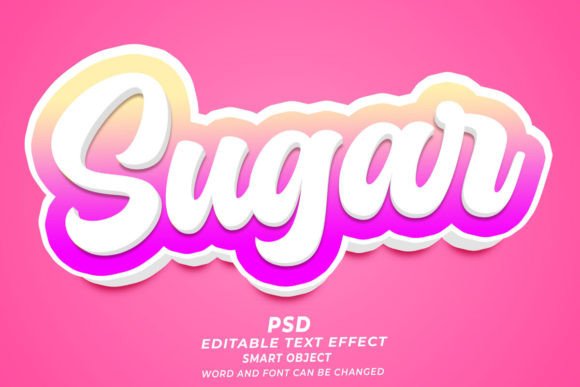
Mastering the Sweet Aesthetic: A Practical Guide to Sugar PSD 3D Editable Text Effect
In the crowded digital marketplace, visual appeal is often the deciding factor between a scroll-past and a conversion. This is where the Sugar PSD 3D Editable Text Effect becomes an invaluable asset for designers, marketers, and content creators. Whether you are designing a vibrant web banner, a tactile book cover for Amazon KDP, or a trendy T-shirt for print-on-demand services, the texture and depth of your typography matter immensely. However, simply downloading a template is not enough. Many users stumble over technical nuances that compromise the final output. Understanding how to properly utilize this tool can save you hours of frustration and ensure your designs look professional rather than amateurish.
Understanding the Core Value of Smart Objects
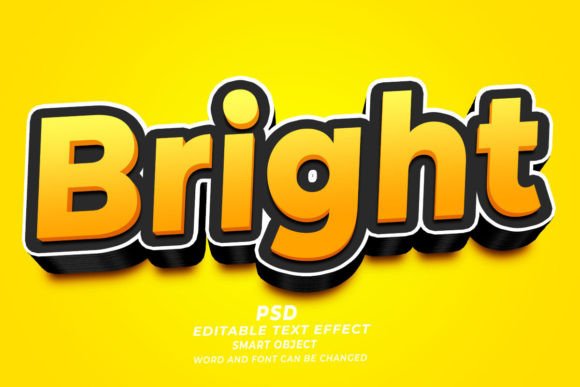
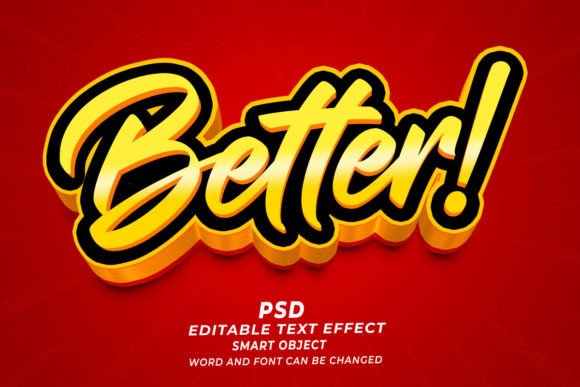
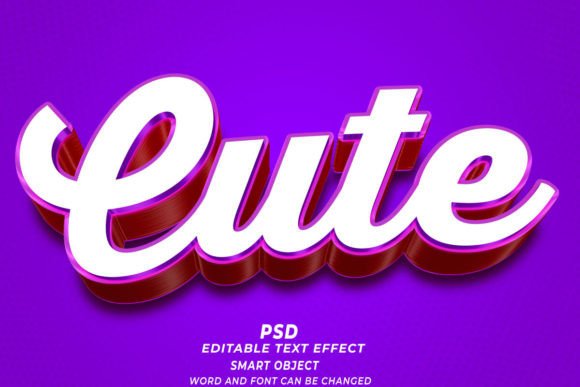
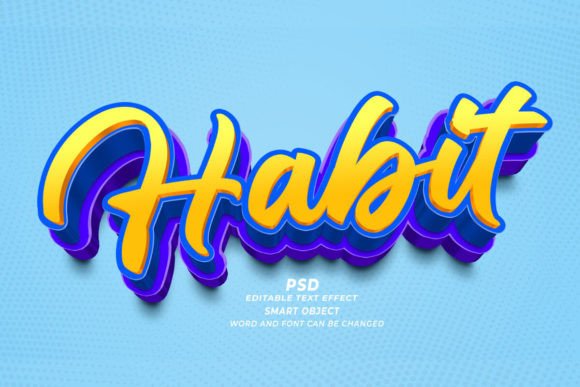
At its heart, this resource is built on Photoshop’s Smart Object technology. The promise is simple: open the file, double-click the layer, type your text, save, and watch the magic happen. While this sounds effortless, the underlying mechanics require respect. The Sugar PSD 3D editable text effect relies on specific blending modes, layer styles, and displacement maps to create that realistic, granular sugar texture. When users treat these files as static images rather than dynamic templates, they lose the primary benefit: flexibility.
A common misconception is that any font will work equally well. In reality, the thickness and curvature of your chosen typeface dramatically affect how the 3D effect renders. Thin, serif fonts may disappear into the background noise of the sugar grains, while bold, rounded sans-serifs often capture the light and shadow details more effectively. Before you commit to a design, test your typography choices within the smart object to ensure legibility and visual impact.
Common Pitfalls in Resolution and Output
One of the most frequent mistakes beginners make involves resolution settings. The template is provided at a high resolution of 300 DPI, which is ideal for print materials like marketing brochures, posters, or physical merchandise. However, if you are adapting this for web use, failing to adjust the export settings can lead to unnecessarily large file sizes that slow down website loading times. Conversely, using a low-resolution screen capture for a print project will result in pixelated, unprofessional results.
To avoid this, always check your document size before starting. If you are creating a web banner, consider resizing the canvas to the exact dimensions needed before applying the effect, or export the final result as a optimized PNG or JPEG. For print-on-demand items like T-shirts, ensure you maintain the 300 DPI standard and check the color profile. Screens display in RGB, but printers often require CMYK. While the sugar texture is generally forgiving, significant color shifts can occur if you do not proof your design correctly before sending it to production.
Navigating Font and Shape Limitations
While the description states that the effect works with "any kind of shape," there are practical limits to this claim. Complex shapes with intricate details may not render the sugar texture clearly because the displacement map needs surface area to create depth. Simple geometric shapes or bold lettering yield the best results. If you attempt to use a highly decorative script with thin connectors, the 3D effect might break, leaving gaps or unnatural artifacts in the texture.
A better approach is to keep your design elements bold and clear. If you need to use a delicate font, consider increasing the stroke width or adding a subtle drop shadow outside the smart object to separate it from the background. This corrective step ensures that your text remains readable even when covered in a heavy, textured overlay. Remember, the goal is enhancement, not obstruction. The sugar effect should add tactile appeal, not confuse the viewer.
Efficiency vs. Customization
The "click and edit" nature of this PSD file is designed for efficiency, but it can lead to a cookie-cutter appearance if used without customization. Many users download the file, change the text, and publish it immediately. This overlooks the potential for personalization. You have full control over the colors, lighting direction, and intensity of the sugar grains. By adjusting the adjustment layers included in the PSD, you can match the effect to your brand’s color palette or the mood of your campaign.
For instance, a pastel pink sugar effect might be perfect for a bakery’s social media post, but a stark white or gold-tinted sugar could be more appropriate for a luxury wedding invitation or a high-end product launch. Taking the extra five minutes to tweak the hue/saturation layers can transform a generic template into a bespoke design element. This level of attention to detail distinguishes professional work from amateur attempts.
Verifying Compatibility and Workflow
Before purchasing or downloading, verify your software version. While Photoshop is generally backward compatible, newer features used in complex 3D effects may not render correctly in older versions of the software. Ensure you have a recent version of Adobe Photoshop installed to guarantee full functionality. Additionally, familiarize yourself with the concept of linked smart objects. If you move the PSD file to a different folder without keeping the linked assets intact, the effect may break.
Organize your project files meticulously. Keep the original PSD in a dedicated folder with all its assets. When you replace the text, save the smart object file separately if you plan to reuse the same text style across multiple projects. This workflow habit prevents data loss and allows you to iterate quickly on different design variations without starting from scratch each time.
Making the Right Choice for Your Project
Ultimately, the Sugar PSD 3D Editable Text Effect is a tool, not a solution in itself. Its value depends on how strategically you apply it. Ask yourself: Does this texture enhance my message? Is it appropriate for my target audience? For a children’s book cover or a confectionery brand, the answer is likely yes. For a corporate financial report, it may be distracting. Context is key.
Evaluate the versatility of the template against your specific needs. Can it handle the length of your headline? Does it scale well for both small mobile screens and large desktop monitors? By testing these variables early in the design process, you avoid costly revisions later. Use the template as a foundation, but build upon it with your unique creative vision. This balanced approach ensures that you leverage the efficiency of pre-made assets while maintaining the quality and originality that define successful design.
In conclusion, mastering this tool requires more than just technical know-how; it demands an eye for detail and an understanding of design principles. By avoiding common pitfalls related to resolution, font choice, and customization, you can unlock the full potential of the sugar text effect. Whether you are a freelancer looking to speed up your workflow or a business owner aiming to elevate your marketing materials, this resource offers a sweet spot between convenience and quality—if used wisely.