Mastering the 3D Butterfly Tumbler 40 Oz Design for Professional Results
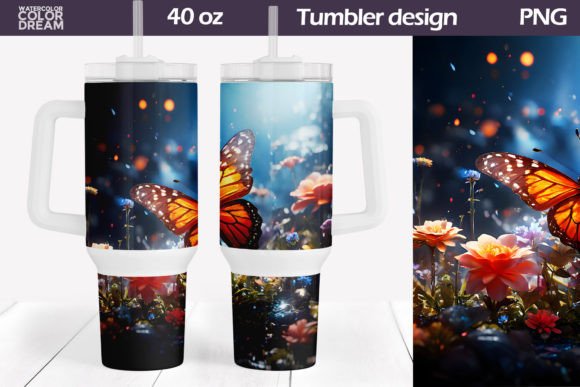
The market for personalized drinkware has exploded, with the 3D Butterfly Tumbler 40 Oz emerging as a standout trend for creators and small business owners. This specific design aesthetic combines the popular large-capacity tumbler format with intricate, dimensional butterfly graphics that catch the light and attention. However, moving from a digital file to a flawless physical product is not as straightforward as many beginners assume. While the appeal of these tumblers is undeniable, achieving a professional finish requires understanding the technical nuances of sublimation printing, file preparation, and material compatibility.
Many entrepreneurs rush into purchasing designs or equipment without fully grasping the workflow. This often leads to wasted materials, misaligned prints, and customer dissatisfaction. By addressing common pitfalls early, you can streamline your production process and ensure that every 3D Butterfly Tumbler 40 Oz you produce meets high-quality standards. This guide focuses on practical corrections and smarter choices to help you avoid costly mistakes.
Understanding the Digital Asset Requirements
One of the most frequent misunderstandings involves the digital files themselves. When you acquire a design package, such as the one mentioned in typical listings, you are usually receiving a ZIP archive. A common error is attempting to use the compressed file directly in design software or sending it to a printer without extraction. You must extract the ZIP file to access the individual assets inside. Typically, this includes high-resolution images, often at 300 dpi, which is critical for crisp printing.
Another overlooked detail is the number of files provided. A standard package might include two distinct files: one for the main wrap and another for specific accents or lid designs. Failing to utilize all provided assets can result in an incomplete look. Furthermore, relying solely on the provided dimensions without checking your specific cup’s template is a recipe for disaster. Cup manufacturers vary slightly in their curvature and height. Always refer to the template from your specific cup distributor for the best results. Assuming all 40-ounce tumblers share identical dimensions will lead to gaps or overlapping seams in your final print.
Common Application Mistakes and How to Avoid Them
Even with the perfect file, the application process introduces several variables where things can go wrong. The term "3D" in 3D Butterfly Tumbler 40 Oz often refers to the visual depth created by shading and layering in the graphic, not necessarily a physical texture. However, some users confuse this with raised epoxy or resin finishes. If you are aiming for a glossy, dimensional look, you must plan for additional steps like resin coating, which requires different preparation than standard sublimation.
Here are practical areas where creators often stumble:
- Ignoring Heat Press Settings: Sublimation requires precise temperature and time. Too little heat results in faded colors; too much causes ghosting or burning. Always test with a scrap piece of paper first.
- Poor Tape Selection: Using standard office tape instead of heat-resistant tape can leave adhesive residue on your tumbler or fail to hold the paper securely, causing shifts during pressing.
- Neglecting Surface Cleaning: Oils from fingerprints or dust particles can create white spots in the final design. Clean the tumbler with alcohol wipes before applying the wrap.
To avoid these issues, establish a consistent checklist. Verify your heat press calibration weekly. Use high-quality, heat-resistant tape specifically designed for sublimation. And never skip the cleaning step, no matter how clean the tumbler appears to the naked eye.
Evaluating Quality and Usability Before Purchase
Before investing in bulk supplies or premium design files, evaluate the usability of the product. For the 3D Butterfly Tumbler 40 Oz, consider the end-user experience. Is the design placed where hands naturally grip the cup? If the butterflies are positioned directly under the thumb rest, they may wear off faster or feel uncomfortable. A better approach is to analyze the ergonomic zones of the tumbler and place intricate details in areas less prone to friction.
Additionally, check the color profile of your design. Screens display colors in RGB, while sublimation printers use CMYK. Colors that look vibrant on your monitor may appear duller when printed. To correct this, soft-proof your designs using ICC profiles specific to your printer and paper combination. This step ensures that the vivid blues and purples often found in butterfly designs translate accurately to the physical product.
Strategic Advice for Small Business Owners
For entrepreneurs and freelancers, efficiency is key. Downloading a single ZIP file containing multiple designs allows for batch processing. Instead of designing each tumbler from scratch, you can swap out background colors or butterfly variants while keeping the same layout structure. This saves time and maintains brand consistency.
However, do not fall into the trap of offering too many variations without testing them. Start with a core collection of proven designs. Monitor which styles resonate with your audience. The 3D Butterfly Tumbler 40 Oz is versatile, but niche targeting works better. For instance, pastel butterflies may appeal to a different demographic than bold, dark-winged varieties. Use social media polls or pre-orders to gauge interest before committing to large inventory purchases.
Communication with customers is also vital. Clearly state care instructions. Sublimated tumblers are durable, but harsh abrasives can damage the finish over time. Providing a small care card with each purchase enhances perceived value and reduces complaints. Explain that while the design is permanent, the exterior coating can benefit from gentle hand washing to maintain its luster.
Final Checks for Professional Outcomes
Before finalizing any order or launching a new design, perform a quality audit. Check for alignment issues by wrapping a test print around a blank tumbler before pressing. Look for any pixelation, which indicates the image resolution is too low for the size. Remember, the included files are typically at 300 dpi, but resizing them significantly larger can degrade quality. If you need to adjust the size to fit your cup, do so proportionally and check the clarity at 100% zoom.
Ultimately, success with the 3D Butterfly Tumbler 40 Oz comes down to attention to detail. From extracting the ZIP archive correctly to fine-tuning heat press settings, each step impacts the final result. By avoiding common shortcuts and focusing on precision, you can create products that stand out in a crowded market. Thank you for visiting my shop, and remember that continuous learning and adaptation are the keys to long-term success in the custom drinkware industry.
Take the time to master these fundamentals. Your customers will notice the difference in quality, and your business will benefit from reduced waste and higher satisfaction rates. Whether you are a hobbyist looking to create gifts or a professional scaling your brand, these practices will serve as a solid foundation for your creative journey.