Evaluating the Realistic 3D Glass Wall Logo Mockup PSD
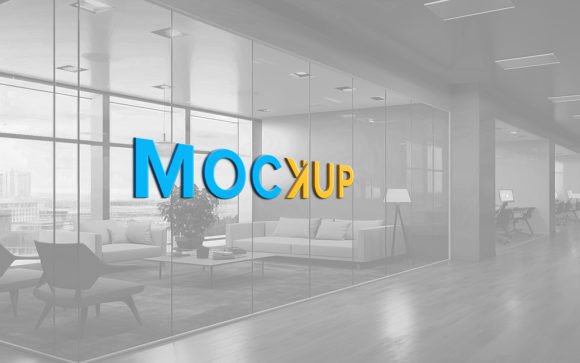
In the realm of graphic design and brand presentation, the visual context in which a logo is displayed can be just as critical as the logo itself. Designers, marketers, and business owners frequently seek tools that bridge the gap between digital concepts and physical reality. One such tool gaining traction is the Realistic 3D Glass Wall Logo Mockup PSD. This resource allows users to superimpose their branding onto a high-fidelity, three-dimensional glass surface, providing a sophisticated and modern aesthetic for portfolio pieces, client presentations, and marketing materials.
Understanding the utility, limitations, and technical requirements of this specific type of mockup is essential for making an informed decision about whether it aligns with your current project needs. This article explores the features, benefits, and practical considerations of using a realistic 3D glass wall logo mockup, helping you determine if it is the right asset for your workflow.
What Is a Realistic 3D Glass Wall Logo Mockup?
A Realistic 3D Glass Wall Logo Mockup PSD is a pre-designed Adobe Photoshop file that simulates the appearance of a logo applied to a glass surface. Unlike flat two-dimensional images, these mockups utilize advanced lighting, shadowing, and reflection techniques to create a sense of depth and realism. The "PSD" format indicates that the file is layered and editable, specifically designed for use with Adobe Photoshop.
The core functionality relies on Smart Objects. This feature allows users to replace the placeholder design with their own logo, text, or graphic elements seamlessly. Once the new design is inserted, the mockup automatically applies the correct perspective, shadows, highlights, and transparency effects associated with glass. This automation ensures that even users with limited advanced Photoshop skills can achieve a professional-grade result without manually adjusting lighting curves or distortion maps.
Key Features and Technical Specifications
When evaluating a mockup template, several technical attributes determine its quality and ease of use. High-quality options, such as the one described in our reference material, typically include the following characteristics:
- High-Quality 3D Realism: The render should exhibit accurate light refraction and reflection, mimicking how light interacts with real glass. This includes subtle imperfections or textures that prevent the image from looking overly sterile or computer-generated.
- Smart Object Replacement: This is the most critical feature. It enables users to double-click a layer, paste their design, save, and see the update reflected instantly in the main composition. This process preserves the integrity of the original lighting and shadow effects.
- Editable Layers: A well-organized file structure is vital. Layers should be grouped logically (e.g., background, glass texture, logo, shadows) to allow for minor adjustments if needed. Fully layered files provide flexibility for designers who wish to tweak opacity or color balance.
- High Resolution (300 DPI): For print-ready materials or high-resolution digital displays, a resolution of 300 dots per inch (DPI) is standard. This ensures that the final output remains crisp and free of pixelation, even when viewed closely.
- Ease of Use: The ideal mockup requires no specialized skill set beyond basic Photoshop navigation. The promise of "no skill requirement" for the core replacement task makes these tools accessible to junior designers, freelancers, and non-designers alike.
The typical package includes one PSD file for editing and one JPG file for quick previewing or reference. This streamlined delivery ensures that users have exactly what they need without unnecessary bloat.
Benefits of Using Glass Wall Mockups
The primary advantage of using a Realistic 3D Glass Wall Logo Mockup PSD is efficiency. Creating a photorealistic glass effect from scratch involves complex knowledge of lighting physics, layer blending modes, and displacement maps. By using a pre-made mockup, designers can save hours of work, allowing them to focus on other aspects of their project.
Furthermore, glass aesthetics convey specific brand values. Glass is often associated with modernity, transparency, cleanliness, and premium quality. Presenting a logo on a glass wall can subtly communicate these attributes to clients or customers. It is particularly effective for tech companies, architectural firms, luxury brands, and corporate entities that wish to project a sleek, contemporary image.
Another significant benefit is consistency. When presenting multiple design concepts to a client, using the same mockup environment ensures that the comparison is fair and focused on the design itself, rather than being influenced by varying backgrounds or lighting conditions.
Considerations and Tradeoffs
While highly useful, these mockups are not a universal solution. There are several factors to consider before integrating them into your workflow.
Software Dependency: As a PSD file, this mockup requires Adobe Photoshop. Users who rely on alternative software such as Illustrator, Canva, or Affinity Photo may face compatibility issues or find the Smart Object functionality unavailable. This limits the audience to those within the Adobe ecosystem or those willing to subscribe to it.
Customization Limits: Although the layers are editable, the fundamental perspective and lighting setup are fixed. If your specific project requires a different angle, a unique light source direction, or a different type of glass (e.g., frosted vs. clear), you may find the mockup restrictive. In such cases, creating a custom 3D render might be necessary, though it requires significantly more time and expertise.
Overuse and Generic Appeal: Because high-quality mockups are widely available, there is a risk of your presentation looking similar to others in the industry. If many designers use the same popular assets, your portfolio may lack distinctiveness. It is advisable to use these tools as a starting point and apply minor customizations, such as adjusting color tones or adding background elements, to maintain uniqueness.
When to Use This Mockup
This tool is a strong fit in several specific scenarios:
- Client Presentations: When pitching a new logo or brand identity, showing it in a realistic context helps clients visualize the final application. A glass wall setting adds a layer of professionalism and tangibility to digital designs.
- Portfolio Development: Designers building their portfolios can use these mockups to showcase their work in a polished manner. It demonstrates an understanding of how designs interact with real-world materials.
- Social Media and Marketing: High-quality visuals perform better on platforms like Instagram, LinkedIn, and Behance. A realistic 3D mockup can grab attention and increase engagement compared to a flat logo file.
- Rapid Prototyping: For agencies working under tight deadlines, the speed of Smart Object replacement allows for quick iteration and visualization of multiple design options.
When to Consider Alternatives
There are situations where a Realistic 3D Glass Wall Logo Mockup PSD may not be the best choice. If your brand identity is rooted in organic, rustic, or handcrafted aesthetics, the cold, sleek nature of glass might clash with your message. In such cases, mockups featuring wood, paper, or fabric textures would be more appropriate.
Additionally, if you require full control over every pixel and lighting element, investing time in learning 3D modeling software like Blender or Cinema 4D may yield better long-term results. While the learning curve is steeper, the creative freedom is unlimited.
For users without access to Photoshop, web-based mockup generators or templates compatible with other design tools may offer a more accessible, albeit potentially less flexible, alternative.
Making the Decision
Choosing the right mockup tool depends on your specific goals, technical skills, and brand identity. The Realistic 3D Glass Wall Logo Mockup PSD offers a compelling balance of quality and convenience. It is an excellent resource for those who need to produce high-end visualizations quickly and efficiently, provided they are comfortable using Adobe Photoshop.
Before purchasing or downloading, evaluate the included preview images carefully. Ensure that the lighting and perspective align with your vision. Check user reviews and ratings to gauge the reliability of the file structure and the responsiveness of the creator. Remember that while the tool simplifies the process, the quality of the final output still depends on the quality of the logo or design you insert. A high-resolution, well-vectorized logo will always yield the best results.
Ultimately, this mockup serves as a powerful aid in the designer’s toolkit. It removes technical barriers, allowing creativity to take center stage. By understanding its capabilities and limitations, you can leverage it effectively to enhance your presentations and elevate your brand’s visual narrative.